
-By COASST Intern: Seiler Grubb
What is tide pooling?
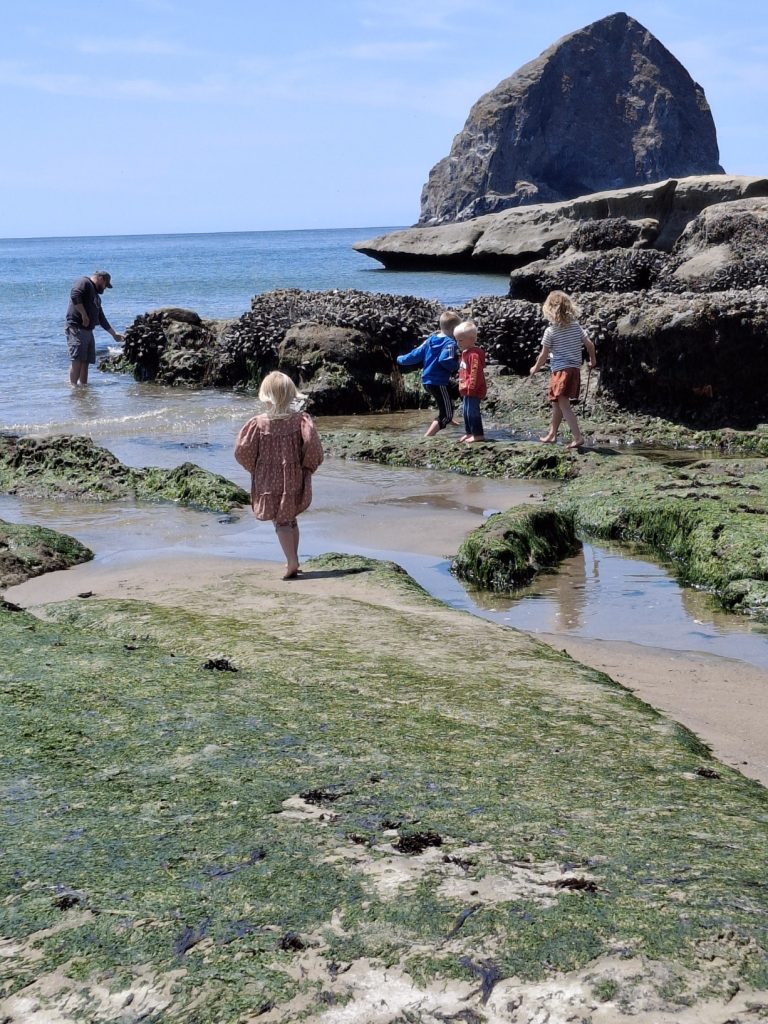
Coastal marine plants and animal species inhabit natural rock pool formations along coastlines because the environment there provides a food-rich home with lots of textured rocks to latch onto. These small but mighty biological ecosystems are called tide pools, and every day as the water moves out these fascinating habitats are revealed. Tide pooling (visiting tide pools) is an easy, free, and fun activity for anyone with access to a coastal beach. Like all of you COASSTers! It is a great activity to sprinkle in before or after your COASST survey. You never know what you might see!

What to look for:
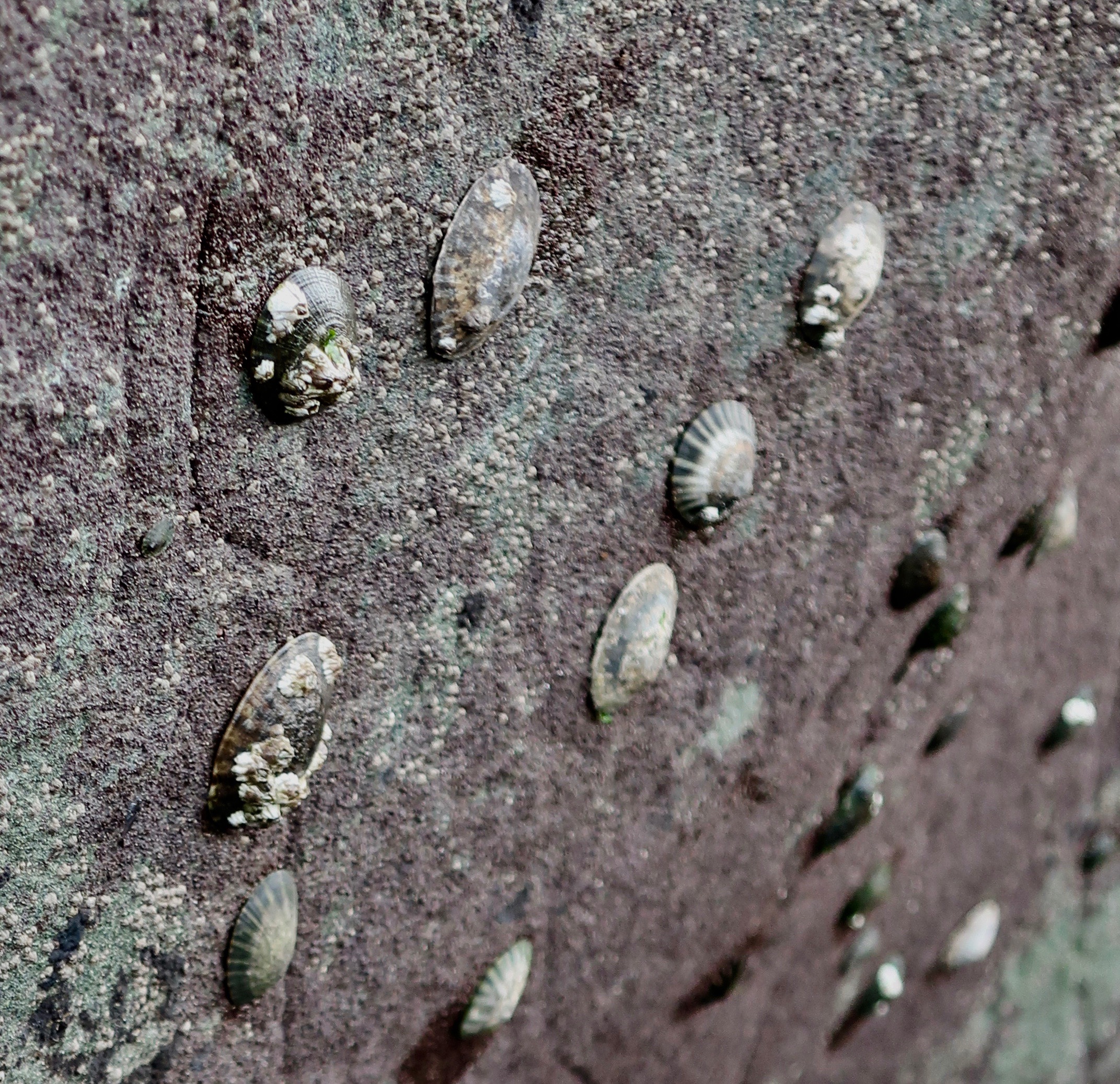
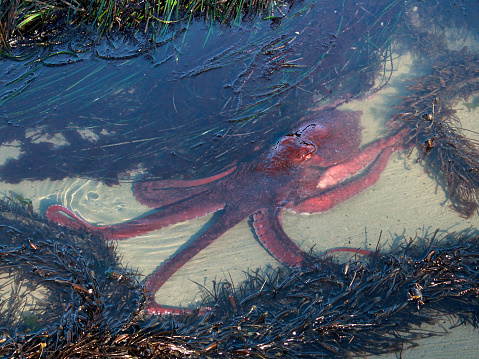
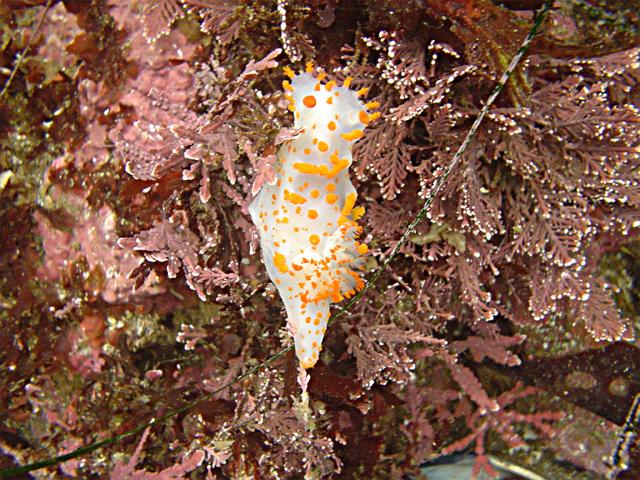
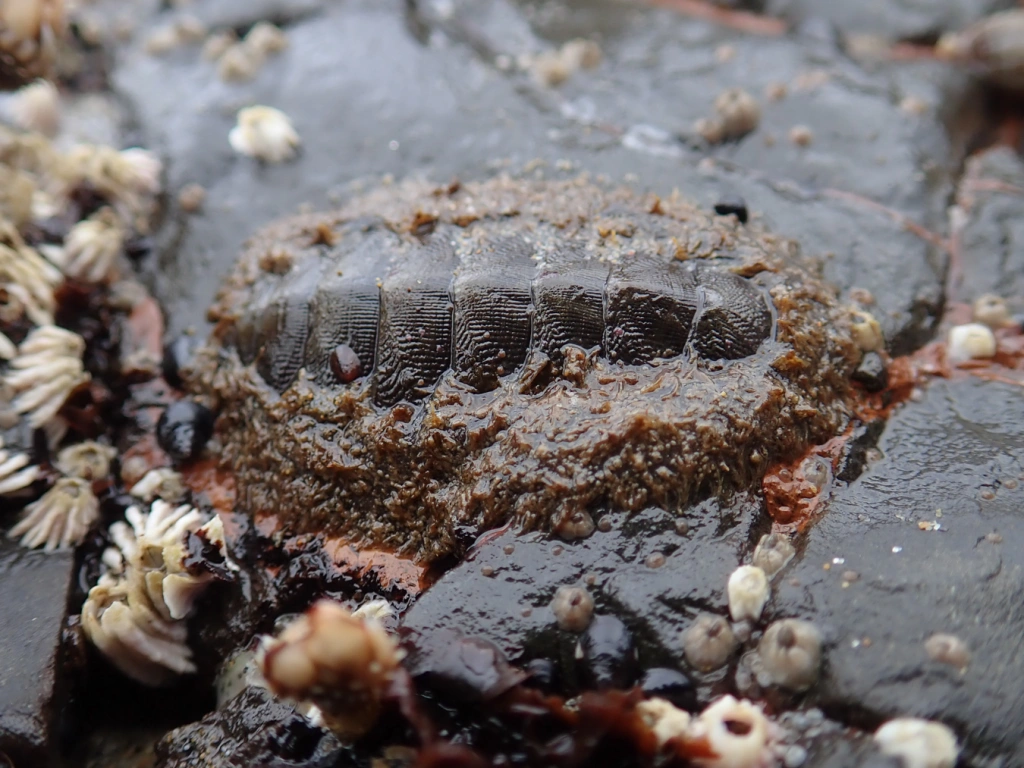
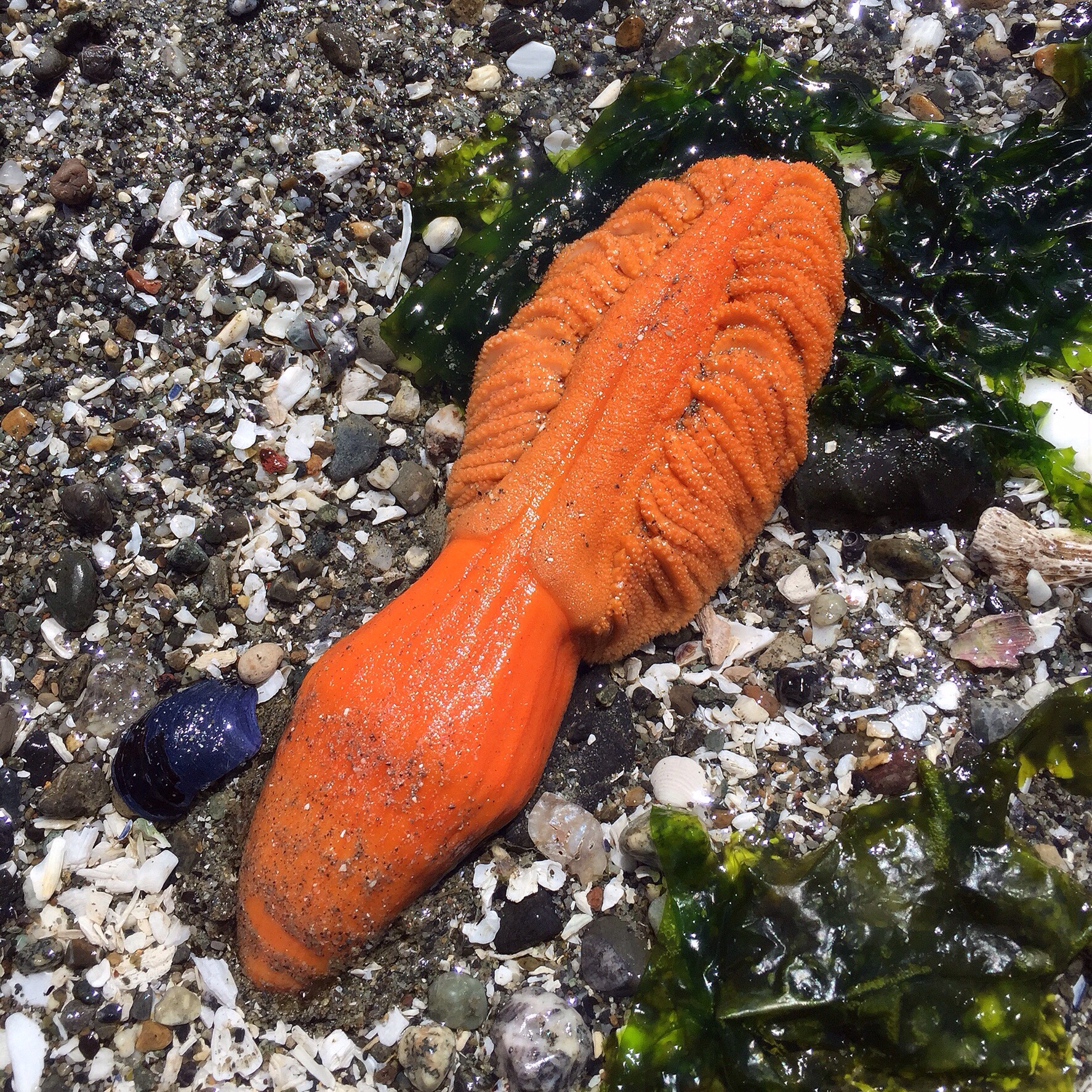
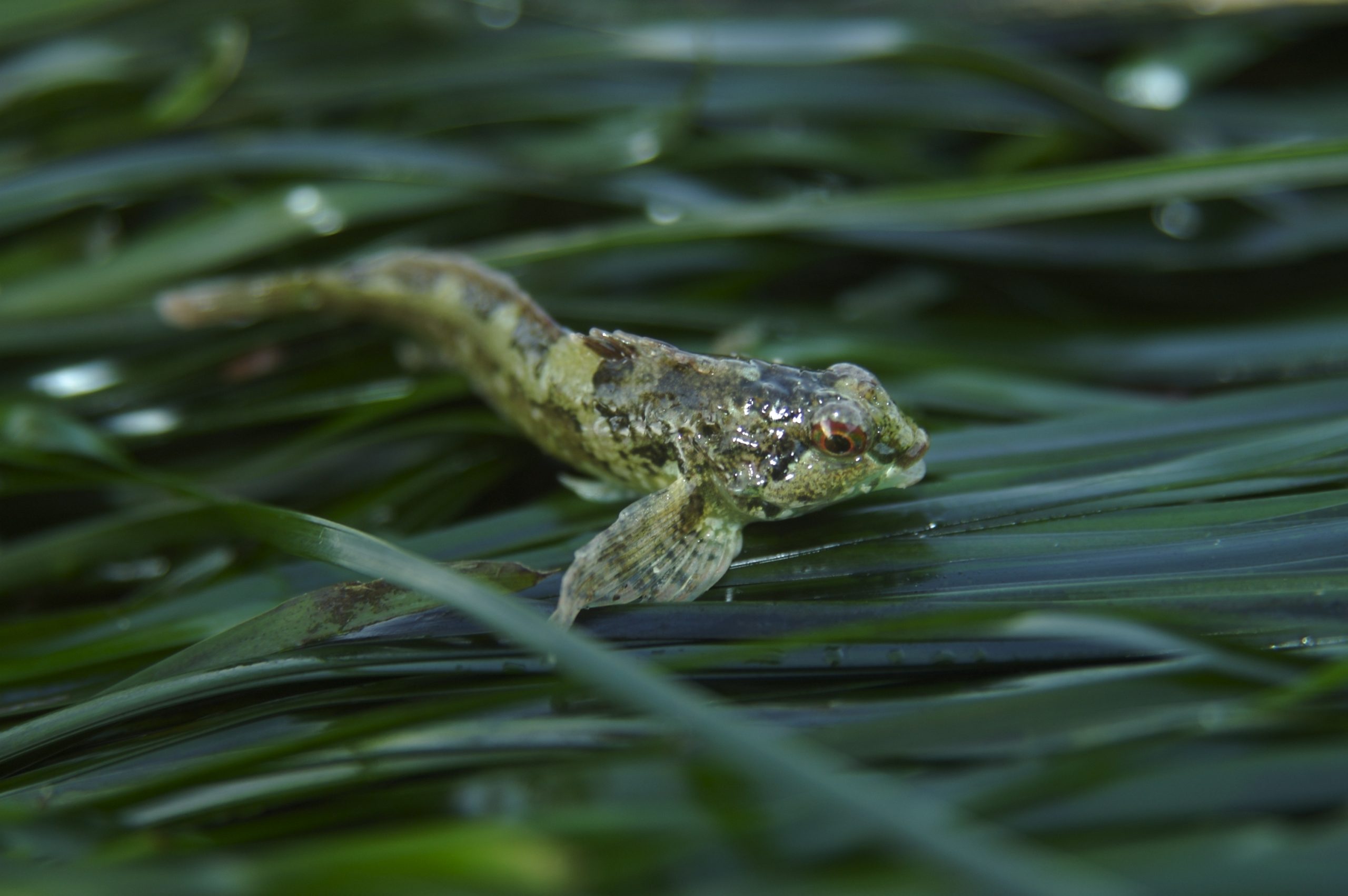
The Pacific Ocean and Salish Sea yield a diverse range of species in tide pools, but don’t be intimidated by learning to identify all of them at once. Start with the most common ones in your area. Some common critters on the Pacific Coast and in the Puget Sound are acorn barnacles, shore crabs, ochre sea stars, and green sea anemones. Consulting online resources, fellow tide poolers, and published tide pooling guides (with photos) are extremely helpful.
Tidal areas are separated into distinct sections: High-tide, mid-tide, and low tide zones. Each zone is characterized by the length of time to which it is in open air (as in not underwater) and what species take residence there. Knowing which zone you are looking at can help identify the species of plant or animal you are looking at. High-tidal zones are where barnacles and mussels and other shelled creatures reside. Mid-to-low tidal zones are where more colorful species like starfish and urchins live. The critters who have adaptations to stay moist even when out in the sun a long time can survive up at the high tide line. Those that cannot, stay lower down. If you look closely along a tidal area you will start to see the zones where certain species stop or start living.

When to Tide pool:
Finding the right time to visit tide pools is very important, you won’t see much more than water if everything is covered in it! The tides change everyday. Before going out, make sure to check when low tide is and be there around 30 minutes before. The best time to go is when the tide is below the average and will be represented by a minus sign, thus called “negative-tide”. You can check what the tides are like in your area via NOAA at this website.
Being a Friend to the Ocean (and yourself):
If you are able to clamber around on potentially slippery rocks then tide pooling is a great activity, just be sure to wear close toed shoes so you don’t accidentally get urchin spines in your toes! While you are out looking in the pools it is very important to be respectful to any and all living organisms. Disturbing organisms and habitats can negatively impact the sensitive ecosystem balance.
Best practices to keep in mind are to:
- Avoid moving large rocks and plants and gently replace any you do move
- Do not leave any unnatural debris behind
- Avoid handling animals and plants for extended periods of time
- Watch your step! Try to avoid stepping on living beings as much as possible and definitely don’t step on any of the squishy things. Also beware not to slip and fall.
- Pay attention to the ocean and make sure you don’t get trapped by the incoming tide or are in danger of sneaker waves
Have fun COASSTers!
Tide pooling can be an engaging activity before or after a COASST survey. While you won’t be reporting any tide pool data to COASST (but feel free to write anything interesting you saw in the comments!), the team always loves pictures or tide pooling stories!
References:
Dierickx, K. (2015). 9 of the West Coast’s Best Tide Pools. Outdoor Project
Tidal Life – Olympic National Park (U.S. National Park Service). (2024). Nps.gov.
Woeltje, R. (2019, December 20). How To Identify Tide Pool Creatures Along The West Coast. The Dyrt.